Our Mission
High-quality Specialist Palliative Care, available to all who need it
Our Vision
No matter their borough or background, every person in Greater Manchester with life-limiting illnesses and complex care needs can access the support required to live well and die well.
Mission Statement
Hospices in Greater Manchester will work together, and with health and care partners, to ensure high-quality Specialist Palliative Care is available to all those who may need it, when they need it; and that hospices are recognised, valued and fairly funded as a core part of that provision.
The Greater Manchester commitments to palliative and end of life care provide the foundation for working collaboratively to ensure people can live well as they approach the end of their life, and die as comfortably as possible in the place of their choice.
Equitable access to high quality, holistic, personalised palliative and end of life care, at home and through our hospices and other providers, not only ensures a more positive experience of death and dying for Greater Manchester individuals and their families, but also protects other health care services.
How we deliver our mission
One shared direction
Collaboration
Working together across Greater Manchester, sharing knowledge, resources, and standards of care across all nine member hospices.
Advocacy
Representing hospice care at system level, ensuring our voice shapes commissioning, policy and integrated care planning.
Improvement
Driving quality, innovation and best practice, using our collective insight to raise the standard of palliative care for everyone.
Strategic Plan 2026-29
Our Strategy at a glance
This strategy sets out how, in a unified approach as a Collaborative, GM Hospices can most effectively complement and add value to our individual hospices' own strategies and work plans.
Financial sustainability & fairer funding
We will fight to ensure the long-term future of hospice care in Greater Manchester by championing fair, stable and sustainable funding arrangements, which enable us to meet increasing demand and protect vital services for local people.
System leadership & collaboration
We will strive to ensure everyone in Greater Manchester receives timely, high-quality palliative care, adopting a central and influential role in shaping policy, funding, and service design across the health and care system.
Inclusive, accessible & culturally sensitive care
We will work closely with a wide range of partners to better understand and meet the diverse needs of all communities in Greater Manchester, and to address known inequalities in end-of-life care.
Data, outcomes & intelligence
We will integrate meaningful, consistent hospice data into Greater Manchester's intelligence framework, in order to evidence impact, improve planning, and secure sustainable funding for palliative care capacity across the whole system.
Workforce development & planning
We will help ensure everyone affected by life-limiting illness accesses the skilled, confident care they deserve, working together on education, planning and partnership to build and support a well-trained, sustainable workforce across GM.
Clinical governance & quality improvement
We will work together to provide safe, modern, and high-quality care, constantly innovating and improving how we support patients whilst also making the best use of our limited resources.
Empowered communities
We will help people with life-limiting illnesses, and their loved ones, understand their choices; and support communities to talk openly and positively about palliative care, death, and dying.
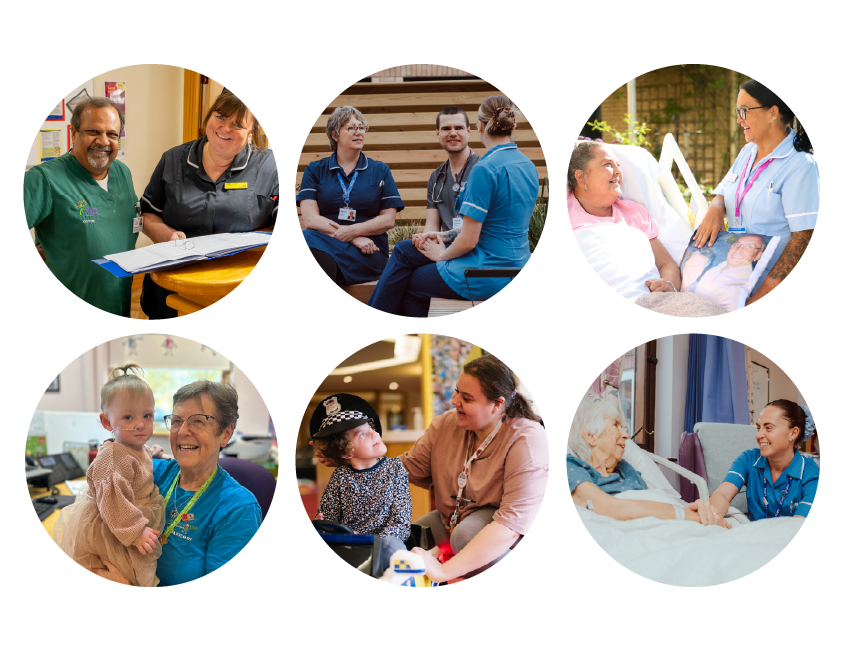
As people live longer with complex and often changing needs, there is a growing need for palliative care that can help manage symptoms, support decisions about treatment and care, and address physical, emotional, social and spiritual concerns. This approach helps people live as well as possible, throughout the course of serious and often fluctuating illnesses and at the end of life. Improved palliative care and end-of-life care has the potential to be a prime example of the 'three shifts' advocated by the Secretary of State for Health and Social Care, delivering benefits both for patients and for the NHS.